Compare Local Contractors for Cedar Fencing Installation
Compare local contractors for cedar fencing installation to clarify scope, verify experience, and establish clear expectations for a successful project.
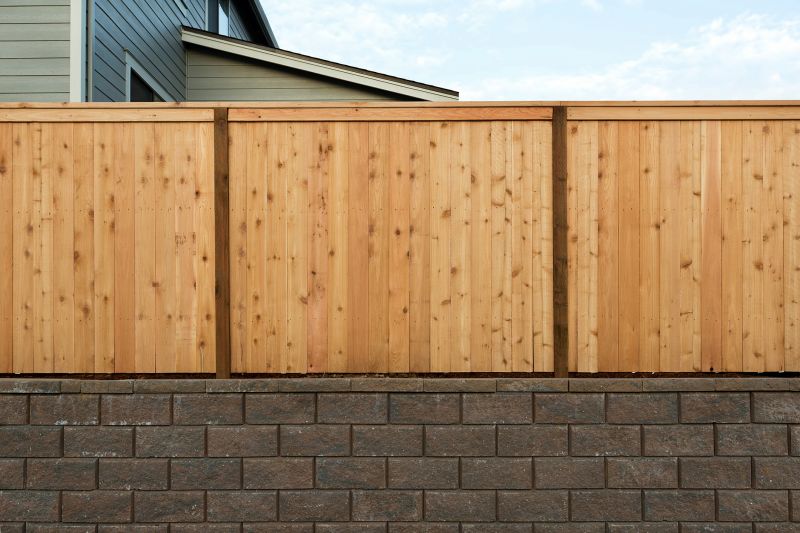
Cedar fencing installation typically involves constructing a durable barrier using cedar wood, which is valued for its natural resistance to decay and appealing appearance. This work can include tasks such as measuring and planning the layout, preparing the ground, setting posts securely, and attaching panels or boards to create a sturdy fence. Property owners may choose cedar fencing for its privacy, aesthetic appeal, and ability to withstand local weather conditions, making it a popular choice for defining boundaries and enhancing outdoor spaces.
Defining the scope of a cedar fencing project is essential to ensure the work meets specific needs and expectations. Clear communication about the size, style, and height of the fence helps prevent misunderstandings and ensures all parties are aligned. Property owners should consider detailing the materials, design preferences, and any additional features such as gates or decorative elements. Having a written scope provides a reference point throughout the project, helping to avoid scope creep and ensuring that the finished fence aligns with initial intentions.
When comparing local contractors for cedar fencing installation, it’s important to evaluate their experience and reputation within the community. Property owners can review credentials such as references, past projects, and customer feedback to gauge reliability and craftsmanship. Asking about their familiarity with cedar fencing and understanding their process for project planning and communication can help identify service providers who are well-versed in this specific work. Comparing multiple contractors based on their scope of services, professionalism, and ability to deliver clear, written agreements can lead to a more informed decision and a successful fencing project.
Compare local contractors by outlining project priorities, verifying experience, and establishing clear written expectations.
- Compare Contractor Experience - Review the background and project history of local contractors to ensure relevant expertise.
- Define Project Scope Clearly - Outline specific fencing requirements and expectations in writing before work begins.
- Verify Qualifications and References - Check references and past work to assess the reliability and quality of service providers.
- Set Written Agreements - Establish detailed agreements that specify work scope, materials, and responsibilities to prevent misunderstandings.
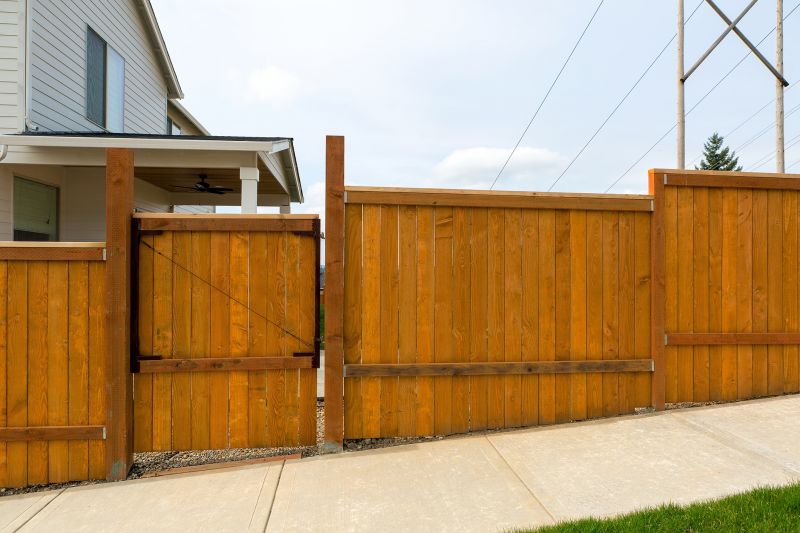
Before comparing contractors, clearly describe your cedar fencing project to ensure accurate scope and expectations.
- Verify experience with cedar fencing installation to ensure familiarity with the specific materials and techniques involved. - Assess whether the service providers have a clear understanding of the scope of work and can provide detailed project descriptions.
- Compare contractor credentials and references to confirm a history of quality work and reliable service. - Ensure that local contractors can supply references or examples of previous cedar fencing projects.
- Review written estimates that outline the scope of work, materials, and project expectations for clarity and transparency. - Look for detailed documentation that defines project deliverables and responsibilities.
- Check for proper site preparation and protection measures that contractors plan to implement during installation. - Confirm that service providers consider property protection and proper groundwork.
- Discuss material specifications, including cedar type, grade, and treatment, to match project requirements. - Make sure contractors specify the quality and type of cedar to be used.
- Establish clear communication channels and expectations for project updates and decision-making processes. - Ensure that service providers are available to discuss project details and clarify any uncertainties.
Compare local contractors’ experience and clarify project scope to ensure your cedar fencing needs are met.
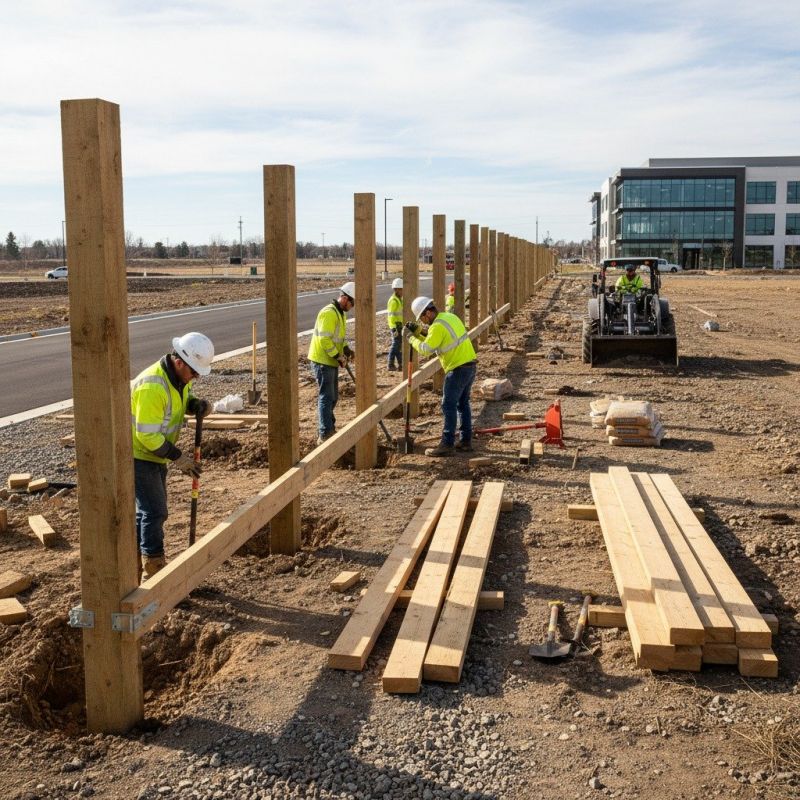

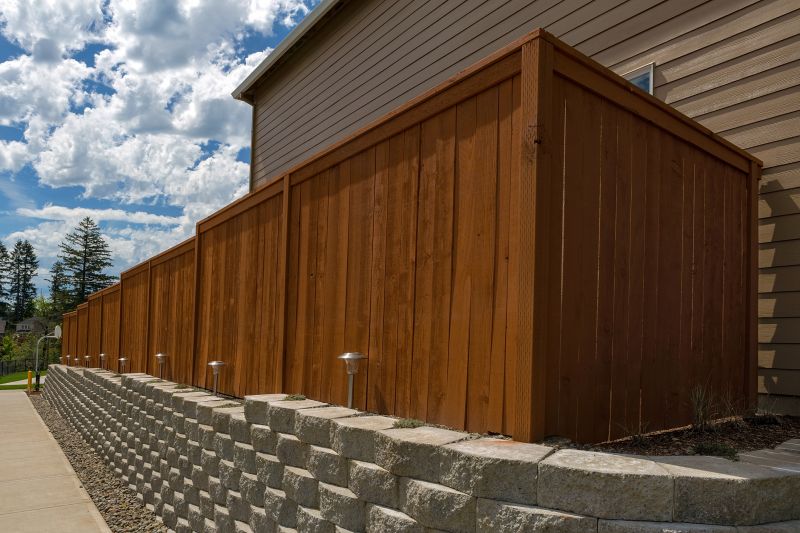
Use consistent comparison criteria across local contractors by clearly defining scope, verifying experience, and setting written expectations.
- Project Scope - Clearly define the size, length, and height of the cedar fence to be installed.
- Material Specifications - Specify the type, grade, and treatment of cedar wood preferred for the fencing.
- Design and Layout - Establish the desired style, pattern, and layout of the fencing panels and posts.
- Site Preparation - Identify any necessary site clearing, grading, or existing structure removal required before installation.
- Installation Requirements - Outline any specific installation standards, post spacing, or additional features to be included.
When comparing contractors for cedar fencing installation, it is important to assess their experience with similar projects. Homeowners should inquire about the types of fencing projects they have completed, paying attention to those that match the scope and complexity of the desired cedar fence. Contractors with a history of successful installations in residential settings can often demonstrate familiarity with the unique challenges involved in cedar fencing, such as proper post spacing, treatment, and finishing techniques. Verifying how long a contractor has been working on fencing projects can provide insight into their familiarity with industry standards and best practices.
A clear, written scope of work is essential for ensuring that expectations are aligned before any work begins. Homeowners should seek contractors who can provide a detailed description of the project, including materials to be used, the number of fence panels, post placement, and any additional features or finishes. Having this documentation helps prevent misunderstandings and serves as a reference point throughout the project. It is also beneficial to review the scope for clarity and completeness, ensuring that all aspects of the installation are addressed and that there are no ambiguities or missing details.
Verification basics involve confirming that the contractor’s experience aligns with the specific requirements of the cedar fencing project. Homeowners can ask for references from previous clients who had similar work done, and if possible, visit completed projects to assess quality and craftsmanship firsthand. It is also advisable to review any available documentation of past projects, such as photos or project summaries, to gauge consistency and attention to detail. While licensing and insurance are not discussed here, verifying the contractor’s reputation and track record remains a key step in the selection process.
Evaluating options without focusing on prices involves carefully comparing the qualifications, scope clarity, and communication styles of different service providers. Homeowners should consider how well each contractor understands the project, the thoroughness of their written proposals, and their responsiveness to questions or clarifications. It can also be helpful to assess the professionalism of the proposals and the level of detail provided, as these often reflect the contractor’s approach to quality and customer service. By focusing on experience, scope clarity, and verification, homeowners can make informed decisions that lead to successful cedar fencing installations.
Ask contractors to provide written scope details to ensure clear expectations and consistent project understanding.
- Experience and Credentials - What experience do the contractors have specifically with cedar fencing installation?
- Scope of Work - How will the service providers define and clarify the project scope and materials involved?
- Comparison Criteria - What factors should be used to compare different contractors beyond pricing and timelines?
- Work Quality and Methods - How do local contractors ensure the quality and durability of cedar fencing installations?
- Written Agreements - What details should be included in written estimates or contracts to set clear expectations?
How can I compare contractors for cedar fencing installation? To compare local contractors, review their experience, ask for references, and verify their familiarity with cedar fencing projects to find providers that meet your specific needs.
What should I include in the scope of work when hiring a contractor? Clearly outline the fencing dimensions, design preferences, material specifications, and any additional features to ensure the contractor understands the project requirements.
How do I verify a contractor’s experience with cedar fencing? Ask for details about their previous cedar fencing projects, request references, and review their portfolio to assess their proficiency with similar installations.
Why is it important to get the scope of work in writing? Having a detailed written scope helps prevent misunderstandings, sets clear expectations, and provides a reference for the project’s agreed-upon work and responsibilities.
What questions should I ask potential contractors before hiring? Inquire about their experience, methods, materials used, and how they handle project challenges to ensure they are well-equipped to handle cedar fencing installation.
How can I ensure a contractor has the necessary experience for my project? Review their past work, ask for references, and confirm they understand the specific requirements of cedar fencing to ensure they are qualified for your project.
This page has provided guidance on how to find and compare contractors for cedar fencing installation, including understanding the scope of work, verifying experience, and setting clear expectations in writing. By taking these steps, homeowners can make informed choices when selecting service providers who meet their specific needs. Utilizing the quote form allows for easy comparison of local contractors, helping to identify options that align with individual project requirements.
Encouragement to use the quote form emphasizes the importance of exploring multiple local contractors to find the right fit for cedar fencing projects. Comparing options through this process can help clarify the differences between service providers, ensuring that expectations are defined and understood. Filling out the form is a practical step toward connecting with experienced local contractors capable of handling the job.